
If my car runs out of petrol, that's it. I'm on the side of the road, waiting for someone to bring a can.
My body doesn't work like that, and neither does yours. When it runs low on sugar, it doesn't stop. It switches fuel. It opens up the second tank, the fat stored on your body, and starts running on that instead.
Nobody had to invent that. It's how you were built.
The switch
Insulin decides which tank you're running on. When you eat, especially anything that turns into sugar quickly, insulin comes up to move that sugar out of your blood and put it somewhere. While insulin is up, you're running on sugar and storing what's left over. The second tank is shut.
When insulin comes back down, the switch flips and the second tank opens.
Little and often keeps the switch stuck

A lot of the women I work with were told to eat little and often. A muesli bar at ten, crackers at three, never let yourself get too hungry, keep your metabolism ticking over.
Every one of those top-ups brings insulin back up before it's had a chance to settle. So the switch stays on sugar all day. The second tank sits there, full, and you can't get into it.
And because the sugar tank empties fast, you're hungry again in a couple of hours. So you top up again.
Why eating less didn't fix it
The usual answer is to eat less. Smaller snacks, smaller meals, a number to stay under.
A body that's under-fed reads a shortage, and it responds by holding on. It also releases its own sugar when it's under pressure, which brings insulin back up without you eating a thing. I wrote about that in It's Not the Food That's Spiking Your Insulin.
So you can be hungry, tired and eating very little, and still be stuck on the sugar tank.
What opens the second tank
Proper meals, big enough to actually hold you, with protein at the centre so you're not starving by mid-morning.
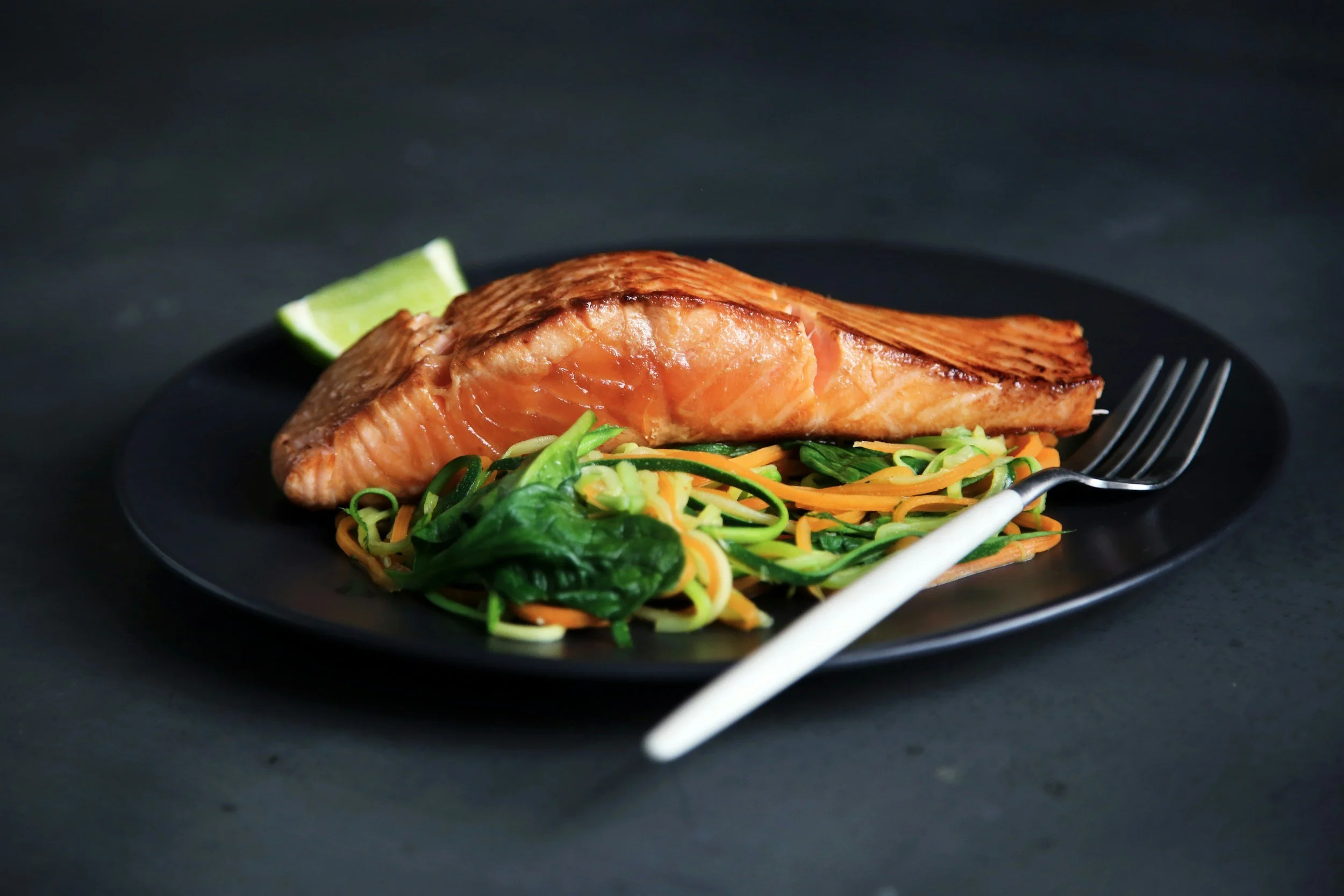
Then a real gap between them. No grazing. Long enough for insulin to come down and the switch to flip.
The gap can feel strange at first, especially if you've been told your whole life never to get hungry. Give it a little while. Once your body trusts that the next proper meal is coming, the gap stops feeling like something's wrong.
Want to work out what your meals and gaps should look like? Book a free 30-minute connection call.
Stacey Oldham is a certified metabolic nutrition and mental health coach in Christchurch, working with women who have done everything right and got nothing back.
